Monday, March 14, 2016

The art of data visualization

I thought this video was extremely interesting because they were talking about the beginning of data and how it evolved. They started off by talking about how the first data was recorded through cartography and how the first map was scratched into a piece of stone. To me that is crazy how much it had grown to what we have today. How it went from drawing on a rock to the extensive system we have today of google map, which they reference in the video. Also, how the data that is provided for us is actually doing things and helping us now, especially through google maps, because it navigates for us and follows us as we go to help us get from one place to another. 
         The next part, about knowing if it’s a tiger coming toward you, was also something that was thought provoking to me. I was probably most interested in this part because it went more along the lines of things I am interested in learning about. They talked about how data visualization relates back to science. I have always been interested in the sciences, so this was right up my ally. The way that the human body analyzes the things we see and turns it into data is the very out side of ordinary thinking. Most people do not sit back and think about everything that happens subconsciously while going about life. However, as brought up in the video, there are so many things that happen in our minds that we are unaware of, like thinking if the grass is just moving or if it’s a tiger that’s going to come and eat us. The amount of things that happen in our very own minds that we don’t even know about is so crazy.
         The other thing that we don’t realize is how much of the data we take in comes from visualization. Just about everything we see in a day can provide us with some sort of data, whether it be using google maps, or reading the news or stocks, these things will be taking into our mind and processed in the form of data. But not only that, it may also come from seeing a certain group of people, which would then get processed as data and your mind will tell you what kind of situation you are in for example. The things we see are countless, therefore the amount of things our mind processes in a day is unthinkable.
         Overall, I felt that the video was very straight forward in what they were saying and it was not confusing. I agree with what the people were saying, probably because a lot of what they were saying, especially about the mind processing visual things into data, are things that I have thought about on my own. The only thing that slightly confused me was one of the guys at the end when he talked about the relationship between data and culture. The things he said were just confusing to me for the most part.


Tuesday, March 8, 2016

Three Artists

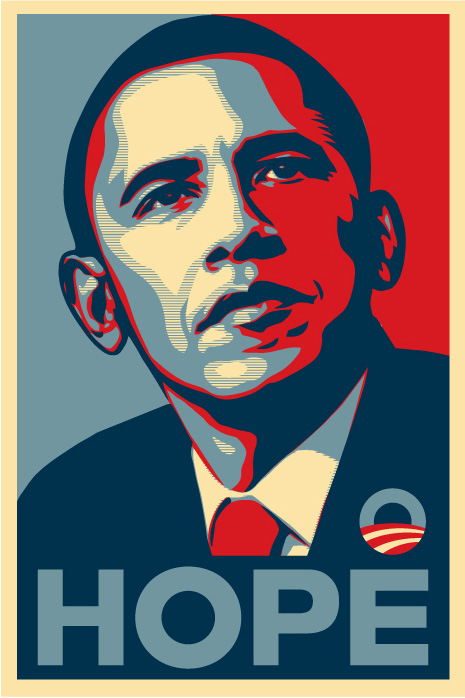
My first choice of artists is Shepard Fairey. He is the man who drew the red, white and blue Obama hope sign. He has also don't other drawing similar to these. I am interested in this because the color scheme and way of going about these drawings are very interesting and I think it is interesting how the Obama picture got so famous.


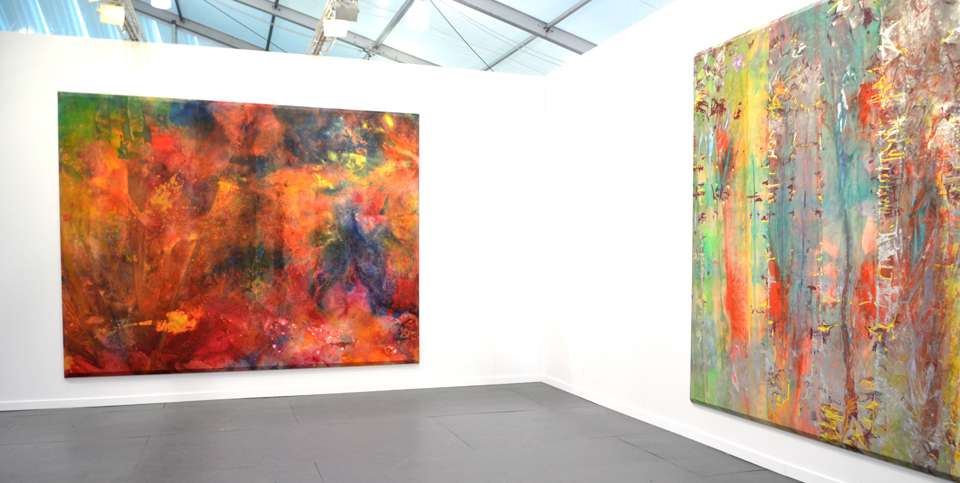
Second is Sam Gilliam. His paintings looks like tie dye t-shirts. These paintings are so interesting and beautiful. All of the colors mixing and thrown together is so pretty. I would like to look into this kind of art and maybe even try it.


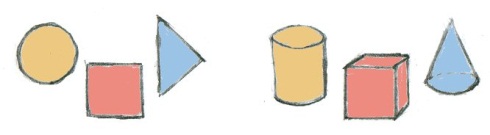
Lastly, Frank Stella. His drawings have a lot of color to them, but they seem like very basic drawing of different patterns. His art is much more abstract and I would be interested in looking more into that.

Monday, February 8, 2016

Way of Seeing

I think that it was very interesting how they said that images were changing due to an increase in individuality. This was very eye opening to me because I had never thought of it like that at all. But as they explained how people choose which area of a scene to look at or even just the way people see objects vary from person to person, it mad more sense to me that people can have different images of the same thing. Also, going along with that, just how much a person looking at an image can learn about the person who created it, like they had said, "beauty, truth, genius, civilization, form, status, taste, etc."
Another things I thought was slightly confusing but very interesting was the mystifying history. They talked about how there was no way of knowing exactly how the painter was feeling it or wanted it to be felt when people looked at it, but you aren't supposed to make it up either. These two things seemed very conflicting. However, I slightly understood what was meant, because you do not want to just make up random things up about the image, you actually have to look into and really figure out what was trying to be portrayed.

Monday, January 25, 2016

The Thinking Eye

When I read this article  I was extremely confused. The way some of his sentences were structured didn't even make sense to me, let alone the concepts underlying them. The main things I couldn't grasp were the thoughts he had put down about focus, function, and tension. So as far as those things are concerned, I did not understand almost anything on the first page. I especially didn't understand the part in the last paragraph of the first page when they try to define the and describe the different forms and movements as feminine and masculine. I did not pick up on that at all. In fact when it talked about how form- making was feminine and form-deciding was masculine, I thought that it seemed a little sexist. I am not sure why that popped up into my head but I seemed to associate the making with food and the decisions with decisions in life, so that is how it came up as sexist in my mind, even though, now thinking about it, it does not really seem sexist, but it still does not make sense.


After the first two pages were over, things cleared up a little bit because they were more straight forward. The dots made sense, as well as the explanation about how a line that went for a walk. However, with those two things, I do not understand the active, middle and passive aspects of them and how they relate. It was all extremely confusing.i also could not understand why some of she shapes that were shaded in were called what they were called. One of the only things I did understand in this article were the lines. I got the difference between the lines that were basically like waves and the lines that were described as connecting different points and therefore has sharp edges and points, and lastly, compared to never ending lines, like circles or triangles.

In class we had touched on how different lines and dots are and how the way they are created mean different things. For example, by listening to the music, there were different ways to make and interpret the dots and lines by the strength of the dot/line or even how close they are.

I definitely feel as though I need the definitions cleared up and explained to me in a slightly different way than was done in this passage. I can not tell if it was just the writing style that I did not understand or if I just couldn't grasp the concepts.

Tuesday, January 19, 2016

Blog 1: The Whole Ball of Wax

I enjoyed the reading a lot, mainly for the reason that they gave of art being so important and in-depth. When they compared art with other subjects like science, I was very surprised at first because since I am a big science person, I have never thought of art as anything even comparable to science, besides when you need to draw atoms or something like that. However, when he went into more explanation about how art can be broken down and always interpreted differently and always changing. I found it really interesting how they talked about how it changes over time because as people grow and develop as people and a generation, then the way they interpret the things they look at is changed. I usually think about people interpreting things when the art is very abstract, but he talked about just regular art and how people can look at it differently. He made it seem as though art is all about understanding the art and the way you look at it because of the way he referenced Oscar Wilde, "The moment you think you understand a work of art it's dead to you." Then when he talked about the difference between the dog and cat, it made a lot of sense. I saw this as dogs are very simple and will do what they are told, but cats will keep their distance and make things more complicated. And that is the way that are is supposed to be too, it is not supposed to be simple and straight forward, it is supposed to be hard to figure out and change things all the time by not always doing the same thing. He explains that art is not rigid and I really liked that because in things like math, which I have always loved, it is extremely straight forward and there is one write answer. I have always thought that I loved that because there was one way to solve the problem, but I also love art, which is now very conflicting to me. However, art is something different and special to me. I have always done art as a form of stress relief if exercise did not work. Drawing always has a way to calm me down and then in the end, whatever I have drawn, reflects what I feel and what I was thinking. Whereas math just challenges me in a number of ways and then you are on a destination to find the right answer. I like both things but I love how art and the view of different art can change depending on the times and even just how you are feeling at a time of day. That is something that I do not think anything else to do. Other subjects are very hard and definite but art can always be different, even if it is the same piece of art. To me, I would define Art as a complicated way of expression that can be interpreted in many different ways. It is a form of information and communication in a way that other areas can not do.